

Carrusel principal
Panel 1: Teatros del Canal

Panel 2: Teatros del Canal

Panel 3: Teatros del Canal

Panel 4: Teatros del Canal

Panel 5: Teatros del Canal

Panel 6: Teatros del Canal

Panel 7: Universidad Carlos III de Leganés

Panel 8: Festival Internacional de Música y Danza de Granada

Panel 9: Festival Internacional de Santander

Panel 10: 365 días (+1)

Panel 11: CND Educa


CND Educa
CND Estudio Abierto
La Compañía Nacional de Danza ofrece una experiencia única, un ciclo de talleres con nuestros bailarines, repetidores y maestros dirigidos a profesionales y no profesionales de la danza a partir de 16 años. Los talleres se ofrecerán en la sede de la CND, un domingo al mes, de enero a julio de 2024.
Más información
Únete
Hazte mecenas
Tan importante es la cultura como los que la apoyan, con tu valiosa contribución estás dando mucho más que un apoyo económico, nos ayudas a que la Compañía Nacional de Danza sea más abierta y acogedora.
Todos MecenasGiras Temporada 23/24


Noticias

¡Gran estreno en Teatros del Canal!
¡El pasado 18 de abril vivimos una noche inolvidable con un gran estreno para la CND en Teatros del Canal! Una noche muy especial, por distintos motivos. Y todos lo sabían y nadie quiso perdérselo.

Celebramos el Día Internacional de la Danza en la Universidad Carlos III
El Día Internacional de la Danza se celebra el 29 de abril desde que fue establecido por la UNESCO en 1982, por iniciativa del Comité Internacional de la Danza. Esta fecha conmemora el nacimiento (en 1727) de Jean-Georges Noverre, bailarín y maestro considerado el creador del ballet moderno.

La CND ensaya Le Jeune Homme et la Mort con Luigi Bonino
Durante los primeros ensayos de Le Jeune Homme et la Mort de Roland Petit, la nueva producción que la CND estrenará en Teatros del Canal, nuestros bailarines han tenido el privilegio de trabajar con el maestro Luigi Bonino.

La maestra Paola Vismara visita la CND
Durante los últimos días, nuestros bailarines han recibido la visita de la maestra italiana de ballet Paola Vismara, que ha instruido su clase preparando a los bailarines para el exigente programa de las próximas giras.

XI Premio Internacional de Danza Roseta Mauri
El pasado sábado 16 de marzo se celebró la Gala de clausura del XI Premio Internacional de Danza Roseta Mauri, que otorgaba el primer premio al bailarín Joan Sempere.

Bailar creando, mi legado | Día Internacional de la Mujer 2024
Nuestras bailarinas madres se unen en este vídeo de la CND para homenajear a todas las mujeres en la celebración del 8M 2024.

La CND participará en el 73 Festival Internacional de Música y Danza de Granada
La Compañía Nacional de Danza actuará el 15 de junio en el Teatro del Generalife de Granada , un espacio mágico entre los palacios y jardines de su más preciado patrimonio, la Alhambra.
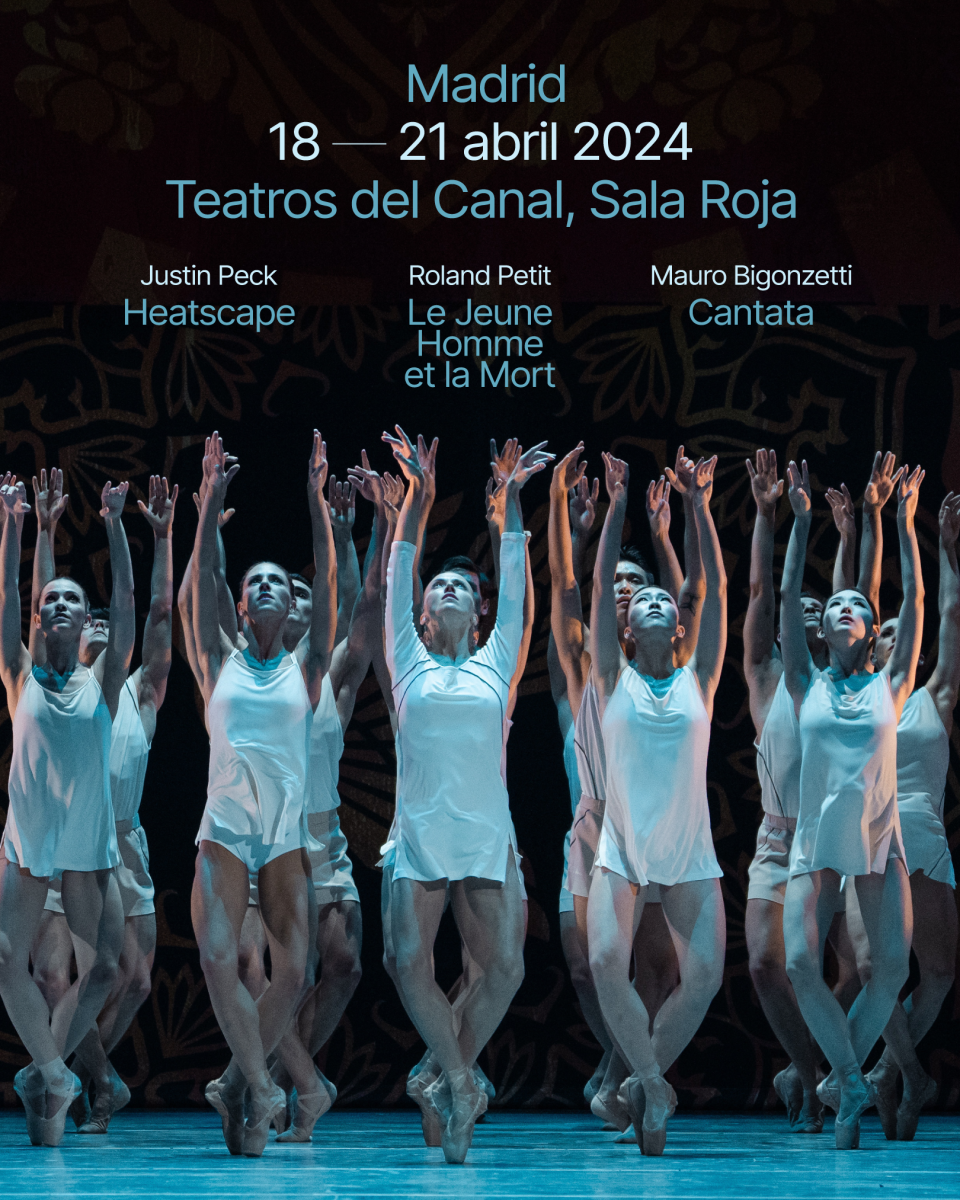
¡Entradas agotadas en Teatros del Canal!
Del 18 al 21 de abril, la Compañía Nacional de Danza presentará un nuevo programa mixto compuesto por tres piezas de primer nivel entre las que contará con dos estrenos que se sumarán al repertorio de la CND.

Nueva Orleans y su gran recibimiento
Nuestra gira internacional comenzó con un gran éxito en Detroit, gracias a la representación de nuestra pieza Carmen, de Johan Inger. Una vez terminada, continuamos nuestra ruta hasta Nueva Orleans, Luisiana, donde la CND fue honrada con distintos reconocimientos de gran importancia.

Empezamos CND Estudio Abierto
¡Ya hemos comenzado con los talleres de nuestro proyecto CND Estudio Abierto! Una experiencia única ofrecida por la Compañía Nacional de Danza compuesta por un ciclo de talleres con nuestros bailarines, repetidores y maestros dirigidos a profesionales y no profesionales de la danza.

¿Quieres ser el primero en enterarte de todo?
Suscríbete a E-Club CND
E-Club CND
Suscríbete a E-Club CND